

France’s Favorite Villages as Voted by the French – Le Village Préféré des Français
The French love a good competition. Each one is fiercely fought, and although the camaraderie is there, every participant takes their role seriously. No more so than in the fight to be crowned France’s favorite village, Le Village Préféré des Français.
Only one village per region gets through, so the pressure’s on. But winning the top spot is everything, and with so many stunning villages all around France, how on earth they pick a winner is beyond me.
But somehow they do, and we now know who the 2025 winner is.

What is Le Village Préféré des Français?
Le Village Préféré des Français began in 2012 when France 2 teamed up with Stéphane Bern to shine a light on places the public already loved. Each year, the producers pick one village from each region, including overseas territories, then film a short feature on each one.
Viewers vote online or by phone, the numbers are tallied, and the winner is announced during a prime-time special. It is simple, very French, and a massive boost for whichever village takes the crown.
And the 2025 Winner Is…
Taking top spot and being crowned the favorite village of the French in 2025 is the medieval village of Saint-Antoine-l’Abbaye (Isère, Auvergne-Rhône-Alpes). This stunning village is south of Lyon in the Chambaran mountains. Saint Antoine holds an incredible amount of history for such a small place.

Its narrow lanes, old stone homes, and steady rhythm of daily life all lead toward the abbey that has anchored the community for generations. The village was once known as La Motte Saint Didier until the eleventh century, when the relics of Saint Anthony the Great arrived from Constantinople.
Their arrival changed everything. A community of Hospital Brothers soon settled here to care for people suffering from Saint Anthony’s Fire, a serious illness caused by ergot poisoning. Their work turned this quiet spot into an important center of healing and pilgrimage.
That past still shapes the village today. Visitors often comment on how welcome they feel, which locals credit to the same spirit of care that guided the Brothers. The abbey, the marketplace, and the rooftops that shift color in different light all add to the sense of a place that has held on to its identity with quiet confidence.
The Previous Winners
If you love the idea of visiting the villages the French believe are among the most beautiful, this list of previous winners is a great start.
2024 – Collioure (Pyrénées-Orientales)

Collioure lies where the Mediterranean Sea meets the Catalan coast, and the light has drawn painters for centuries. The Château Royal overlooks the harbour, anchoring the village’s historic identity since the 7th century. Colourful boats, sea breeze, and local wines add to the mix. It won because it offers both scenery and life.
2023 – Esquelbecq (Nord)

In the Flanders region of northern France, Esquelbecq draws you in with its grandeur. Brick homes, Flemish gables, and peaceful squares reflect its history as a textile and trade center. The Elodie museum for regional art and history, local markets, and a feeling of space invite you to slow down.
2022 – Bergheim (Haut-Rhin)

Bergheim is surrounded by vineyards and still bears half of its old ramparts. The town’s fortified gate, its typical Alsace houses, and the church of Saints Pierre et Paul deliver character. Sample local wines, wander the ramparts, and lose yourself in a village built for walking rather than driving. A strong candidate for anyone looking for a vineyard village with soul.
2021 – Sancerre (Cher)

Renowned for its historic hilltop setting and the fine wines that bear its name, Sancerre offers one of France’s most elegant village experiences. Medieval ramparts, a 12th-century tower, and winding streets lead to panoramic views across the Loire valley. Of course, the vineyards dominate, but so do the cafés and the cheese. Wine and view in one tidy package.
2020 – Hunspach (Bas-Rhin)

Hunspach is a jewel of rural Alsace, tucked into the Northern Vosges regional park. Its white half-timbered houses and green shutters don’t seem to have been touched by time. The church, the local museum, and the gentle trails through forested hills make it a quiet choice for visitors who value calm and authenticity. A stay here is like taking a step back in time.
2019 – Saint‑Vaast‑la‑Hougue (Manche)
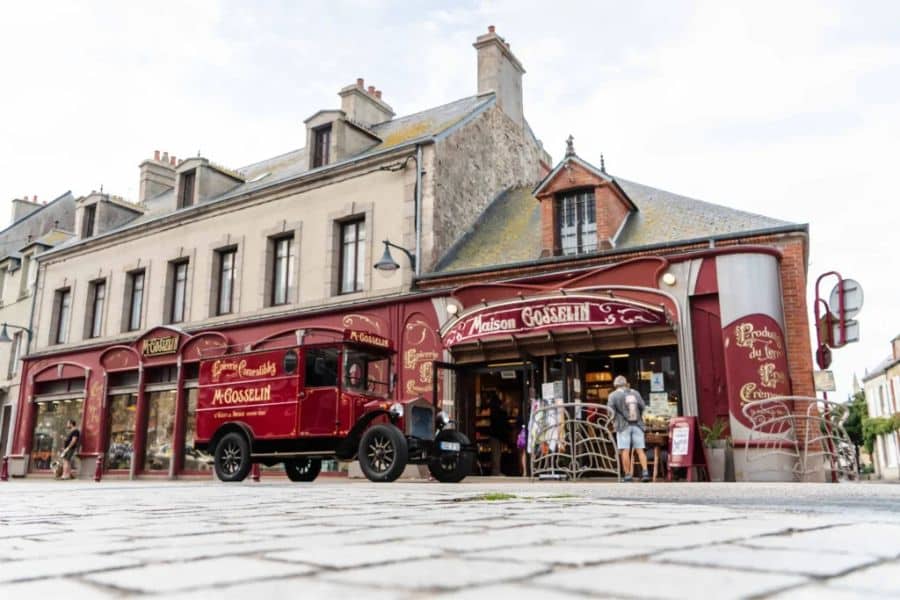
On the Normandy coast, Saint-Vaast-la-Hougue pairs maritime heritage with historic architecture. The twin towers of the Vauban fort rise next to the calm harbor where fishing boats bob. Oysters and seafood dominate the menus, and you can catch crossing ferries to nearby isles. It’s a coastline stop that brings together sea air, history, and local taste.
2018 – Cassel (Nord)

Cassel rises above the Flanders plain and offers sweeping views across to the sea on a clear day. The village is small, but rich in history: a fortress once dominated the hill, and later the painter George Mesnil made the setting his subject. You’ll find the Musée de Flandre, winding alleys, and bistros serving local fare. If you’re looking for a village that feels grounded in the past and place, this fits the bill.
2017 – Kaysersberg (Haut-Rhin)

Kaysersberg lies on the Alsace wine route and enjoys an enviable setting on the Weiss River. A 13th-century castle towers above the town, and the church of Sainte-Croix features late-Gothic and Renaissance details. The town’s cobbled streets, white-washed façades, and timber-frames are just gorgeous. Wine-lovers will feel at home here, and lovers of quiet beauty will find plenty to enjoy.
2016 – Rochefort‑en‑Terre (Morbihan)
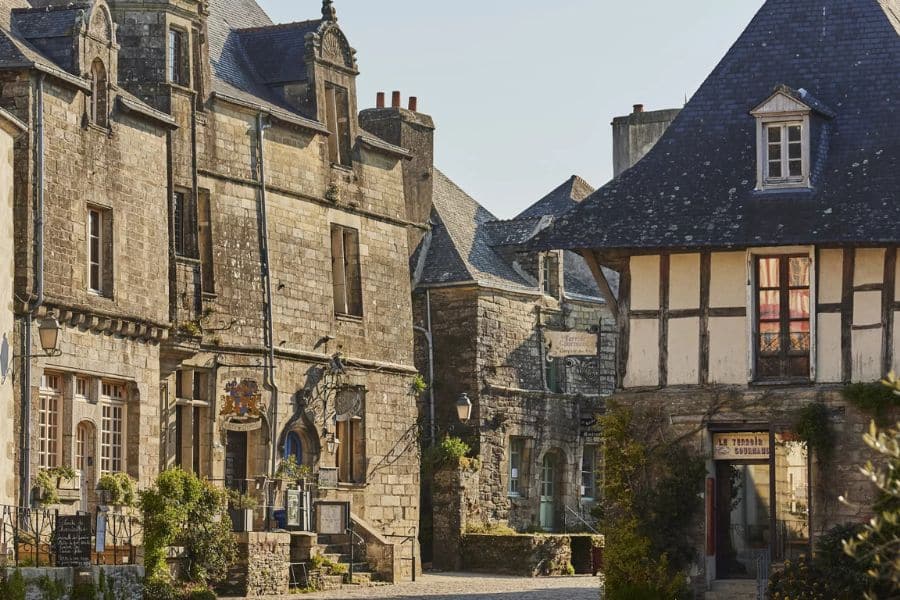
Tucked in Brittany’s countryside, Rochefort-en-Terre remains steeped in its historic identity. The village features stone houses covered in climbing plants, a neat square, and a 15th-century castle that hosts art exhibitions. In spring, the flowers appear in every window box, and the whole place glows with warm light. Savoring Breton cuisine here, surrounded by old stone and greenery, is a simple pleasure.
2015 – Ploumanac’h (Côtes-d’Armor)

Where the pink granite meets the sea, Ploumanac’h delivers a landscape unlike many. Cliffs and rock formations smoothed by wind and waves frame a village of granite homes and red-tiled roofs. The lighthouse, the coastal trail, and the striking contrast of rock and water all invite exploration. It’s ideal if you want a seaside village but with the pace of a countryside retreat.
2014 – Cordes‑sur‑Ciel (Tarn)
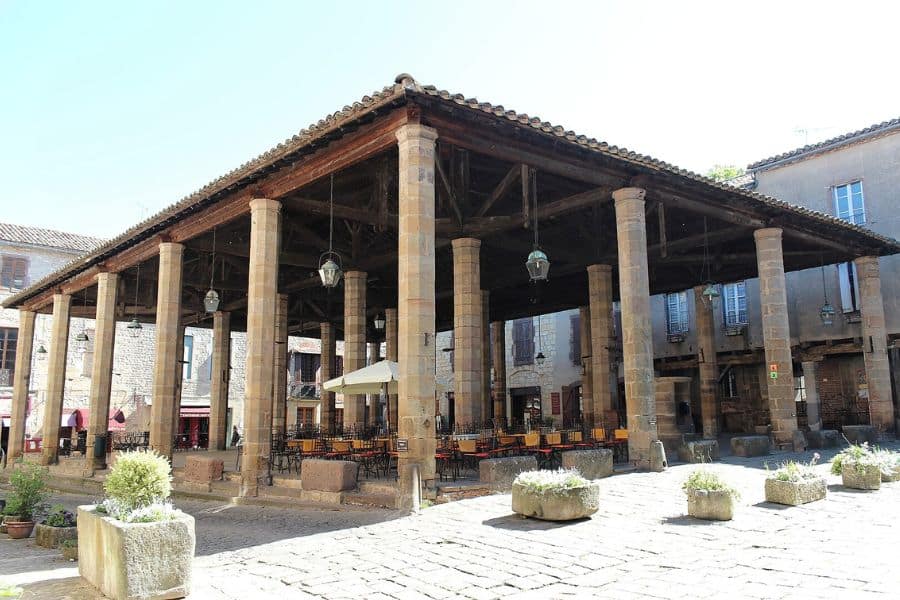
Cordes-sur-Ciel claims its medieval roots, founded in 1222 as a bastide. The village rises above its surroundings and sweeps across the skyline. Gothic doorways, narrow alleys, and carved stone literally reach into the sky, hence its name. There are artisan workshops, stone-viewing platforms, and a museum tracing the lives of the pilgrims and merchants who once passed through here. A must-see for anyone drawn to architectural drama and history.
2013 – Eguisheim (Haut-Rhin)

Eguisheim sits in the heart of Alsace’s wine route and radiates warm, historic charm. The village’s concentric streets wind around its original keep, and several half-timbered houses date back to the 16th century. It’s also where the vintners produce Alsace’s signature white wines. A stroll past colourful facades leads to ancient wells, small vineyards, and lively market squares, and it’s said to have inspired the latest Disney Beauty and the Beast movie.
2012 – Saint‑Cirq‑Lapopie (Lot)

Perched high above the Lot river, Saint-Cirq-Lapopie has been a haven for artists and wanderers for generations. Its steep, narrow lanes lead past clustered medieval houses that lean toward the canyon below. You’ll find the ruins of a 13th-century castle at the top, and the church of Saint-Cirq from the 15th century. Visitors still come for the views, the river walks, and the atmosphere of a village that has held on to its past.
How to Plan Your Visit to Saint Antoine l’Abbaye
The Abbaye de Saint Antoine is the main drawcard of the village. Its Gothic stonework is packed with intricate carving, and the scale of the place is impressive when you stand before it. Construction spanned the 12th to the 15th centuries, and the buildings no longer house a religious community, although the sense of history remains strong.
The complex includes a medieval style garden and the Musée de Saint Antoine l’Abbaye, with interactive displays explaining how the abbey shaped the village over the centuries. There is also a section on medieval medicine and perfume making that gives a fascinating look at how people treated illness and created scents long before modern laboratories.
Early August is a lively time to come because the village hosts its annual Médiévale festival. Performers, musicians, and storytellers fill the streets in period clothing while events run throughout the weekend. It is busy, but the atmosphere is fun and full of energy.
Where to Eat and What to Drink
This part of France has a long reputation for good food. Towns like Saint Marcellin and Saint Pierre de Chartreuse are well known among people who follow French gastronomy. Even so, one ingredient defines the area more than anything else.
Walnuts are everywhere here, and locals speak about them with genuine pride. You can taste them at La Table de l’Abbaye, along with Saint Marcellin cheese. The restaurant has a stone fireplace and a wood-beamed ceiling, and in summer the tables spread into the main square.
Hostellerie Vieux St Antoine offers a similar atmosphere with outdoor seating under a canopy of trees. The menu leans toward French comfort favorites like steak frites and crepes.
Another good choice is Taverne du Bélier Rouge, the restaurant run by Ferme du Saint Sauveur. It opens from Friday evening to Sunday lunch and serves meat from animals raised on the farm.
Where to Stay
Most places to stay in Saint Antoine l’Abbaye are small, family-run bed and breakfasts. L’Antonin is one of the most central options and has five comfortable rooms with private bathrooms. Breakfast is a simple spread of baguettes and jams, often served on the terrace when the weather is warm.
A short walk from the center, Auberge du Midi offers self-catering apartments that work well for families or groups. The largest sleeps five people, and the building was recently updated. There is also a lovely terrace where guests gather for a pre-dinner aperitif while the sun drops behind the rooftops.
If you want something a little different, Les Cabanes de Fontfroide is worth considering. The wooden treehouses sit in an old oak forest, offering a peaceful spot to unwind for a night or two. Breakfast and dinner are served beneath the cabins, and the location is ideal for walks and bike rides in the countryside.
TRAVELLING TO FRANCE?
Here are my favourite resources I use each time I travel!
🧳 I always protected my trips with this travel insurance company when I lived in the US AND this one now I live in Europe
🚘 I found a car rental for $500 less than traditional sites with this car rental agency
🚌 🍷 My favourite platform to find Day Trips and Wine Tours in France at the best price and with great reviews
🚂 The cheapest train tickets are always on this App
🏨 I got a 20% discount on a chateau hotel with this hotel booking tool
I personally use these sites myself and if you use them, they will earn me a small commission at no extra cost to you. This helps reduce the ever-increasing cost of maintaining my blog and writing about France. Thank you!