

12 French Culture Shocks Americans Need To Be Ready For When They Come To Rural France
France is a wonderful country to live in, but it’s not without its challenges. When I first moved here just over ten years ago, there were definitely a few culture shocks that took a bit of getting used to. Now, I don’t think anything of them, but back then, I struggled with quite a few of them.
But when you move somewhere new, you have to fit in and take everything in your stride. When in Rome, as they say. But as a tourist, it’s a little different as you’re there on vacation and don’t have to deal with the trials and tribulations of everyday life.
But for all the French culture shocks, faux pas, and challenges, I wouldn’t live anywhere else. And once you get used to it, French life has a way of drawing you into its fold so you never want to leave.
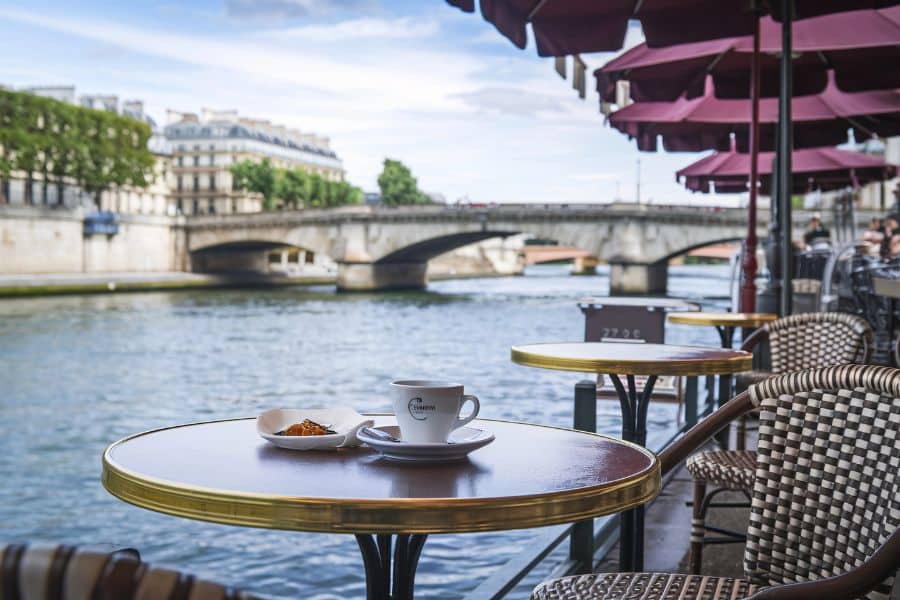
12 French Culture Shocks Americans Find Unusual When They Come to Rural France
Some of these will make you chuckle, some will frustrate you, and a few might leave you scratching your head. Here’s what to expect.
The Paperwork Is Insane
You’ve never done paperwork until you come to France. To give you an example, exchanging my UK driving license for a French one has so far taken six months, and I still don’t have it. Renewing my Carte de Séjour (Resident Permit) requires two visits to our Prefecture in Angoulême: one for fingerprints and one to pick it up.
Even the French moan about the paperwork. Why put something online when you can make people fill out copious amounts of forms? And God forbid you tick a box instead of putting a cross because the whole thing starts again.
Cheese Is Its Own Course
This one isn’t a hardship at all, and it’s one I fully embrace. Where normally, you choose either dessert or cheese and biscuits, here you have both. Oh, and they don’t serve biscuits or grapes with the cheese; it’s just French bread and the cheese. And in case you were wondering, the cheese course comes after the main and before dessert.
France produces over 1,000 varieties of cheese, and the French take this seriously. And why wouldn’t they? It’s absolutely delicious, and one of my favorite things about grocery shopping is going to the cheese counter and trying different cheeses.

Everything Shuts on a Sunday
Ok, so I will say that I now love the fact I can’t go shopping on a Sunday as it forces me to down tools and enjoy a day of rest. And trust me, I take that very seriously. Most small shops, markets, and independent businesses close completely. Supermarkets in smaller towns often close too, or operate reduced hours until midday.
If you’re visiting a rural area and you run out of something on a Sunday afternoon, you’re on your own. This catches Americans off guard more than almost anything else. Plan ahead and do your shopping on Saturday. And actually, once you get used to it, Sunday in France has a pace to it that feels pretty good. Nowhere to be, nothing to buy, nothing to rush.
The Lunchtime Hiatus
Lunchtime in France is sacred. There’s no eating a sandwich at your desk while carrying on working, that’s not what happens here. The midday break is a genuine cultural tradition that dates back centuries, built around the idea that a proper lunch deserves proper time.
In some rural areas, the lunchtime closure lasts closer to 2.5 hours. If you need to visit a local government office, a pharmacy, or even a plumber, check the hours first. Turning up at 12:30 pm means you’ll find a locked door.

They Still Use Checkbooks
This one still makes me smile. I couldn’t quite believe it when I got issued a checkbook from Credit Agricole, my French bank. In ten years, I’m still using the same one and only on very rare occasions, such as paying the wood man or something to do with the government.
While the rest of the world moved on to contactless payments, France kept writing checks. Rent, utility bills, paying a tradesperson, and school fees. You’ll encounter situations where a check is still the expected or only accepted form of payment.
It’s also worth knowing that writing a check with insufficient funds is actually a criminal offense in France, which is probably why people still trust them.
Smaller Portion Sizes
I often wondered why French people aren’t absolutely huge, given that they love their food and have full three-course lunches. But then I looked at the portion size and realized the reason why they aren’t.
French portions are smaller than American ones, and there’s no culture of taking leftovers home in a box. The focus is on quality rather than quantity, and the expectation is that a full meal consists of multiple courses rather than a single enormous plate.
The Customer Is NOT Always Right
The French haven’t signed up to the mantra that the customer is always right. In fact, it’s the complete opposite. I remember not long after we’d bought our house here, my husband and I went for a meal in the nearby town of La Rochefoucauld. At the time, my husband used to have his steak well done; in fact, he liked it burned to a crisp. I’m happy to say his tastes are a little more refined now.
However, when he asked for it to be well done, the waiter just looked at him and said, no, the chef doesn’t do well done. He believed it was sacrilege, so he wasn’t prepared to do it, no matter what the customer wanted. This isn’t unusual at all. French customer service operates on different social rules.
Peeing In the Garden
This is a very French thing, and I don’t know if it happens in cities, but it certainly does in the smaller, more rural areas. The first time my neighbor, Stephane, came over for dinner, he insisted on not using our toilet and went out into the garden instead. I wasn’t sure if it was because he didn’t like my toilet or what.
The next day, I asked one of my other French friends, and she told me it was quite normal and not to be offended. Apparently, it’s something they have always done, and your own toilet in your house is considered private and not used by guests. I still haven’t gotten used to that, and luckily, women aren’t really expected to do this.
Foraging For Food
The French forage. Mushrooms, chestnuts, blackberries, walnuts, wild herbs. In autumn, especially, you’ll see people in the woods with baskets, and it’s completely normal. Rural communities have been doing this for generations, and knowledge about which mushrooms to pick and which to absolutely leave alone is carefully passed down.
Pharmacies in France will actually identify mushrooms for you, which tells you everything about how seriously this is taken. If a French neighbor invites you on a forage, go. You’ll almost certainly come home with something you’ll eat for dinner that night.
I love this part of rural life and Stephane, my neighbor, will often drop round with something his foraged. So in turn, I’ll make soup, chutney, or whatever is appropriate and share it with the community. It’s a lovely part of French life.

Everybody Smokes
Around 30% of French adults smoke daily. Compare that to under 13% in the US, and the difference is immediately noticeable. Cafe terraces, outdoor restaurant seating, doorways, and parks. Smoking in France is common in many places where you’ll want to sit and enjoy yourself.
It’s not going anywhere either. Cigarettes are woven into social life in a way that feels genuinely different from the US, where smoking has become increasingly rare and increasingly stigmatized. Nobody is going to move for you or apologize for lighting up. If smoke bothers you, choose indoor seating.
Dinner Is Much Later
We have a wonderful thing in France called the apéritif. It usually happens any time between 4 and 7 pm. Some apéros will include nibbles, others won’t. Either way, it certainly means dinner is a lot later. But who wouldn’t want to enjoy a couple of pre-dinner drinks with friends?
Restaurants in smaller towns often don’t open for dinner service until 7 pm, and some not until 7:30 pm. They aren’t open all day, and going in much after 9 pm means you won’t get served, especially in the winter months.
You’ll Get Kissed A Lot
This one took some getting used to, especially for my daughter, who found it all very uncomfortable. I’m now very used to it, so much so that I now automatically kiss people on both cheeks when I see them.
La bise is France’s standard greeting between people who know each other. Two kisses, one on each cheek, sometimes three or four, depending on the region. It applies to friends, family, neighbors, colleagues, and often people you’ve just been introduced to. It’s completely normal and expected.

Their Bedtime Manner Needs Some Work
If you’re expecting a friendly ear and a kind word when you go tosee the doctor in France, you’ll be disappointed. French doctors are direct. Very direct. They’ll tell you what’s wrong, what you need to do, and expect you to go away and do it. There’s little of the reassuring small talk or patient hand-holding that American patients often receive. A consultation tends to be brisk, factual, and short.
I’ve found it very offputting and several friends of mine who have had less than pleasant news have found it hard to deal with. But it’s the French way. It might not feel right to us, but it’s one of those things you’ll never change, so you need to be prepared for it.
The upside is that the system is really good value. A standard GP appointment costs 26.50 euros, and that fee is partially reimbursed if you’re registered with the national health system. Prescriptions that cost hundreds of dollars in the US often cost a few euros here. You might leave feeling slightly startled by the bluntness, but your wallet will be very relieved.
Vacation Time Is Sacred
The French take their vacation time seriously and wouldn’t dream of not taking their allotted entitlement, and why should they? French employees are legally entitled to at least 5 weeks of paid vacation per year. That’s the legal minimum, but many people get more. Summers in France slow down noticeably in July and August, and entire businesses shut down for weeks.
Trying to get anything done in August, particularly in rural areas, is pretty much impossible. A lot of warehouses have a complete shutdown in August, so there are no deliveries, a pain if you’re renovating, but if you know in advance, you can plan for it.
The one that makes me smile is the restaurants. The most popular restaurant in our nearest town shuts down during the busiest two weeks of August, potentially missing out on significant revenue. But that’s not how the French think. It isn’t all about money but about the quality of life. It’s one of the many things I love about my life here.
Learning To Speak Metric
Having lived in Australia, I was used to using meters, kilometers, and kilos, but most Americans aren’t. Everything in France runs on the metric system. Temperatures in Celsius, distances in kilometers, weights in kilograms and grams, and fuel by the liter.
Recipes work in grams, road signs tell you how far things are in kilometers, and your body temperature, if you need to know it, will be around 37 degrees, not 98.6. It can be confusing, so my advice is to download a conversion app so you can easily convert on the go until you get used to it.
TRAVELLING TO FRANCE?
Here are my favourite resources I use each time I travel!
🧳 I always protected my trips with this travel insurance company when I lived in the US AND this one now I live in Europe
🚘 I found a car rental for $500 less than traditional sites with this car rental agency
🚌 🍷 My favourite platform to find Day Trips and Wine Tours in France at the best price and with great reviews
🚂 The cheapest train tickets are always on this App
🏨 I got a 20% discount on a chateau hotel with this hotel booking tool
I personally use these sites myself and if you use them, they will earn me a small commission at no extra cost to you. This helps reduce the ever-increasing cost of maintaining my blog and writing about France. Thank you!